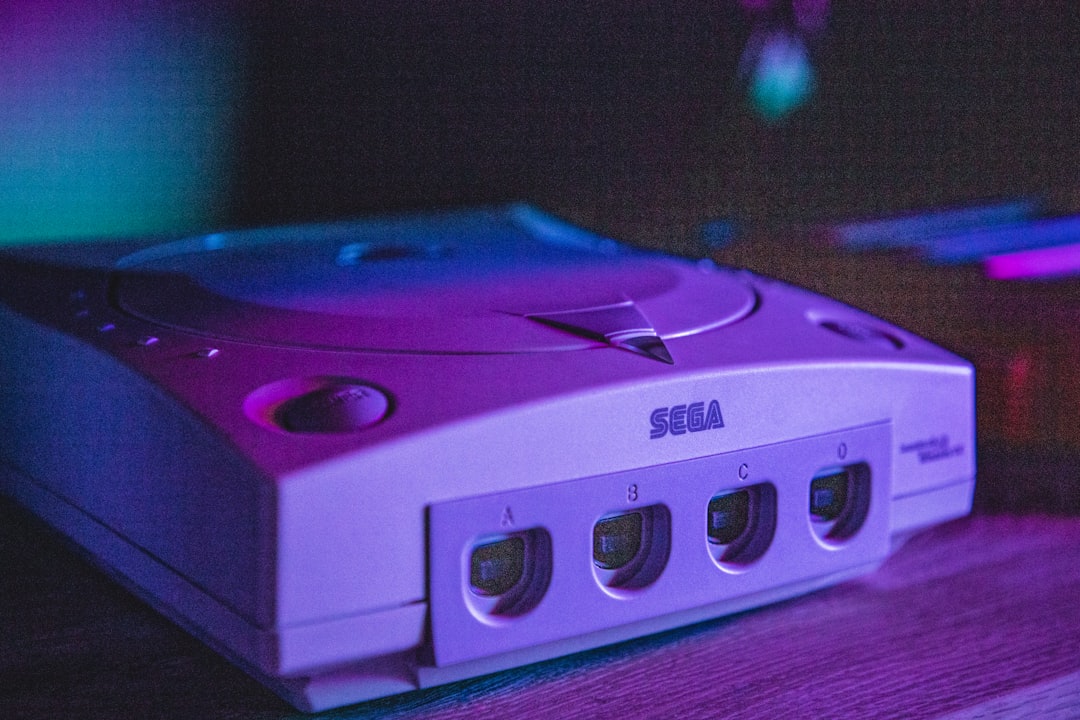
Gaming history is filled with overlooked masterpieces that never achieved the recognition they deserved. Market timing, limited marketing budgets, regional release restrictions, or simply bad luck prevented many excellent games from finding their audiences. These hidden gems offer unique experiences often more innovative and interesting than mainstream hits from their eras. Discovering these forgotten titles provides fresh perspectives on gaming history while offering genuinely engaging gameplay experiences that hold up remarkably well today.
Guardian Legend: Pioneering Genre Fusion
Released for the NES in 1989, Guardian Legend seamlessly blended vertical scrolling shoot-em-up gameplay with top-down action-adventure exploration. Players controlled a transforming guardian navigating a hostile alien world, alternating between flying shooter segments and ground-based exploration filled with puzzles and upgrades. This genre fusion was remarkably ambitious for its time, predating similar hybrid approaches by years.
Guardian Legend featured a massive interconnected world filled with secrets, power-ups, and hidden areas that rewarded thorough exploration. The shooting segments offered intense challenge with creative boss designs and enemy patterns. The game's password system allowed players to save progress—a significant convenience feature for the era. Despite these innovations and solid execution, Guardian Legend achieved only modest commercial success, remaining relatively obscure compared to other NES action titles. Modern players discovering Guardian Legend often express surprise at how contemporary the game feels, with its open-ended progression and genre-blending approach anticipating later gaming trends.
Rocket Knight Adventures: Sega's Lost Mascot
During the 16-bit console wars, Sega invested heavily in creating mascot characters to compete with Nintendo's stable of iconic franchises. While Sonic achieved superstar status, other Sega mascot attempts received less attention. Rocket Knight Adventures for the Genesis, released in 1993, starred Sparkster, an opossum knight with a jetpack. The game combined tight platforming with momentum-based rocket pack mechanics that required skill to master.
Rocket Knight Adventures stood out through its unique gameplay hook—Sparkster's rocket pack allowed brief bursts of high-speed flight in eight directions, creating dynamic platforming possibilities. Levels featured multiple routes and hidden areas accessible only through skilled rocket pack use. The game's colorful graphics, excellent animation, and creative boss battles demonstrated Sega Genesis's capabilities. Despite critical praise, Rocket Knight Adventures never achieved significant commercial success, overshadowed by Sonic and other established franchises. The game received sequels that further refined the formula, but the franchise never broke into mainstream consciousness, making it a fascinating "what if" in gaming history.
Terranigma: The RPG That Never Was
Terranigma for the Super Nintendo represents one of gaming's most frustrating missed opportunities for Western audiences. Released in Japan and Europe in 1995-1996, this action-RPG from Quintet never received an official North American release despite the SNES's popularity and strong RPG market. Players who eventually discovered Terranigma through imports or emulation found an ambitious, philosophical RPG featuring town-building mechanics and a unique resurrection theme where players literally revived Earth's continents, civilizations, and ecosystems.
The game's combat system combined real-time action with RPG progression, requiring strategic thinking and skillful execution. Its narrative explored mature themes about civilization, progress, and humanity's relationship with nature—heavy subject matter for a 16-bit game. The graphics pushed SNES hardware with impressive visual effects and detailed sprite work. Terranigma's absence from the North American market likely resulted from timing—the PlayStation was supplanting the SNES by 1996, making late-cycle releases risky investments. This unfortunate business reality meant countless gamers missed one of the SNES's finest RPGs until years later through fan translations and digital distributions.
Ristar: Sega's Last Great 16-bit Platformer
Released in 1995 as the Genesis neared the end of its lifecycle, Ristar represented Sonic Team's final 16-bit platformer for Sega's flagship console. The game starred a cartoon star with stretchy arms who grabbed enemies and environmental objects to navigate levels. This unique movement system created distinctive platforming challenges different from typical run-and-jump mechanics. Ristar had to grab ledges, swing from fixtures, and throw enemies using his elongated arms.
Ristar featured gorgeous graphics showcasing years of Genesis development experience, with colorful, detailed stages and smooth animation. Each world offered unique gimmicks and gameplay variations, from music-reactive platforming to underwater mazes to environments with changing gravity. The game's personality shone through charming animations and expressive character design. Despite these qualities, Ristar released too late in the Genesis lifecycle to achieve significant sales, overshadowed by next-generation consoles already on the market. The game has since developed a cult following among retro gaming enthusiasts who appreciate its polish and creativity, with many considering it among the Genesis's finest platformers.
Little Samson: The NES Hidden Treasure
Little Samson for the NES, released in 1992, stands as one of the system's rarest and most accomplished late-era titles. The game featured four playable characters—Samson, a dragon, a golem, and a mouse—each with unique abilities necessary for progressing through levels. Players could switch characters instantly, creating puzzle-platforming challenges that required strategic thinking about which character's abilities best suited each situation.
The game's graphics represented the peak of NES visual quality, with large, detailed sprites and creative use of the system's limited color palette. Level design cleverly integrated the character-switching mechanic, requiring players to think about ability combinations and character synergies. Boss battles tested mastery of all four characters' movesets. Despite this quality, Little Samson released after most players had moved to 16-bit consoles, resulting in limited sales and distribution. The game's rarity has made original cartridges highly valuable among collectors, with complete copies commanding thousands of dollars. This collector interest has introduced new audiences to Little Samson's excellent gameplay, cementing its reputation as one of the NES's best hidden gems.
Klonoa: Door to Phantomile
When the PlayStation dominated mid-1990s gaming with 3D experiences, 2.5D platformers occupying a middle ground between classic 2D and fully 3D gameplay struggled for attention. Klonoa: Door to Phantomile, released in 1997, used polygonal graphics in a 2D plane, creating a distinctive visual style. Players controlled Klonoa, a cat-like character with large ears, navigating imaginative dream worlds with creative platforming challenges.
Klonoa's gameplay mechanic centered on grabbing enemies and using them as projectile weapons or double-jump assists, creating puzzle elements within platforming challenges. The game featured surprisingly emotional storytelling for a platform, with a bittersweet narrative about dreams, memories, and saying goodbye. Its visual design blended colorful, whimsical aesthetics with the technical capabilities of PlayStation hardware. Despite critical acclaim, Klonoa achieved only modest commercial success, overshadowed by 3D platformers like Crash Bandicoot and Spyro. The game has maintained a devoted fanbase who appreciate its unique blend of accessible gameplay and emotional storytelling, with many hoping for modern revivals of the franchise.
Mystical Ninja Starring Goemon
Konami's Goemon series achieved significant popularity in Japan but struggled to gain traction in Western markets. Mystical Ninja Starring Goemon for the Nintendo 64, released in 1997, brought the franchise to 3D with mixed results commercially but fascinating results creatively. The game featured open-world hub areas, traditional 3D action-adventure gameplay, side-scrolling platforming segments, and even first-person mech battles—an eclectic mix reflecting the series' experimental nature.
The game's distinctly Japanese humor, cultural references, and quirky presentation likely contributed to its Western commercial struggles. However, these same elements made it unique in the N64 library, offering experiences unavailable elsewhere. The game featured impressive scope, with multiple playable characters, varied gameplay styles, and lengthy adventure spanning numerous locations. Its enthusiastic embrace of Japanese culture and tradition created memorable experiences for players who discovered it, even as mainstream audiences passed it by. Mystical Ninja represents fascinating localization challenges of the era, when publishers struggled to determine which distinctly Japanese games would resonate with Western audiences.
Intelligent Qube: Puzzle Gaming Perfection
Sony's early PlayStation era saw publishers experimenting with various game types to establish the platform's identity. Intelligent Qube (or Kurushi), released in 1997, offered minimalist puzzle gameplay where players destroyed advancing cubes by standing on correct platforms. The game's simple concept belied intense strategic depth, requiring spatial reasoning, pattern recognition, and quick decision-making under pressure.
Intelligent Qube's presentation was stark and atmospheric, with abstract environments and cerebral electronic music creating a meditative experience. The difficulty curve started gently but escalated to mind-bending challenges that tested even skilled puzzle gamers. Special cubes with unique properties added complexity to basic mechanics. Despite winning awards and receiving critical praise, Intelligent Qube remained a niche title overshadowed by more mainstream PlayStation releases. Its influence on subsequent puzzle games is clear, with many modern indie puzzlers drawing inspiration from its elegant simplicity and escalating challenge design.
Beyond Good & Evil
While technically a sixth-generation game, Beyond Good & Evil's 2003 release and subsequent obscurity make it a hidden gem worth discussing. This action-adventure game from Michel Ancel combined photography mechanics, stealth gameplay, combat, vehicle sections, and investigation elements into a cohesive experience. Its story about uncovering government conspiracy in a sci-fi world demonstrated gaming's capacity for meaningful narrative.
Beyond Good & Evil featured a diverse, likable cast led by protagonist Jade, a photojournalist investigating mysterious disappearances. The game's themes about truth, journalism, and governmental corruption felt ahead of their time. Its gameplay variety kept the experience fresh throughout, with new mechanics and challenges regularly introduced. Despite critical acclaim and word-of-mouth praise, the game achieved disappointing sales, barely breaking even commercially. In subsequent years, Beyond Good & Evil developed a devoted cult following, with fans championing its quality and advocating for a sequel that remained in development limbo for over a decade. Its commercial failure despite obvious quality demonstrates how even excellent games can struggle to find audiences in crowded markets.
Conclusion: The Value of Discovery
These hidden gems remind us that commercial success doesn't determine quality. Many factors influence a game's market performance—timing, marketing, competition, platform install base, and simple luck. Exploring gaming's forgotten corners reveals innovative ideas, unique experiences, and excellent craftsmanship that deserve recognition beyond their original commercial reception.
Modern gaming offers unprecedented access to historical titles through digital distribution, emulation, and compilation releases. This accessibility allows new audiences to discover these overlooked masterpieces, giving them second chances at finding audiences. For retro gaming enthusiasts, hunting for hidden gems provides exciting discovery experiences beyond revisiting well-known classics. These forgotten titles demonstrate that gaming history contains countless treasures waiting for curious players willing to explore beyond mainstream recognition. Each hidden gem discovered enriches our understanding of gaming's diverse creative heritage, proving that great games can emerge from any era, regardless of commercial performance or popular acclaim.